
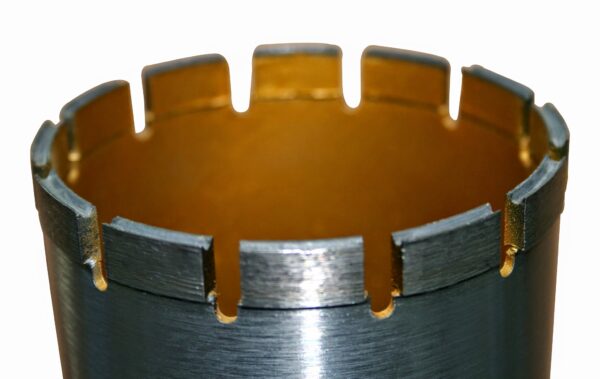
Diamond drills have become the backbone of modern drilling technology, delivering unmatched precision, durability, and performance across glass, ceramics, stone, composites, advanced materials, and hard-to-machine substrates. Whether you're a hobbyist exploring delicate drilling projects or a professional working in engineering, manufacturing, construction, electronics, photonics, or R&D, using the right diamond drill can significantly improve the quality of your work.
In this complete guide, we’ll explore how diamond drills work, the types available, what makes them unique, and how to choose the right drill bit for maximum efficiency. We will also look at common challenges, usage tips, and best practices that help extend tool life and enhance accuracy.
What Makes Diamond Drills Different?
Traditional drill bits struggle when cutting through hard or brittle materials. They heat up, crack surfaces, lose sharpness quickly, and compromise precision. Diamond drills, however, are engineered with industrial-grade diamonds embedded into the drill tip or bonded to the cutting edge. These diamonds act as micro-cutting tools that grind, polish, and shape materials with a smooth, controlled action.
The result?
Cleaner holes
Longer tool life
Reduced chipping
Better control
Consistent performance
Diamonds are the hardest natural material on Earth, making them ideal for drilling tasks where standard tools fail.
How Diamond Drills Work
Grinding action: Instead of cutting aggressively, diamond drills grind the surface slowly and evenly.
Water cooling: Many applications require water to reduce heat and friction.
Precision control: The slow-speed technique improves surface integrity and hole accuracy.
Surface-friendly: Ideal for delicate substrates where cracking must be avoided.
Industries Using Diamond Drills
Diamond drills are used across a wide range of industries due to their versatility:
Electronics and Semiconductors: For PCBs, wafers, quartz, sapphire, glass ceramics.
Construction & Stonework: For tiles, granite, concrete, and masonry drilling.
Optics & Photonics: For precise micro-holes in brittle crystal materials.
Jewelry & Lapidary: For drilling beads, gemstones, and minerals.
Laboratories & R&D: For composites, carbon fiber, and advanced ceramics.
Manufacturing: CNC machining, production lines, and QA testing.
One of the leading providers serving these industries is UKAM Industrial Superhard Tools, known for precision-engineered diamond core drills and micro tools.
Types of Diamond Drills
Understanding the different types helps you choose the perfect tool for your material and application.
Diamond Core Drills
These are hollow drills designed to extract clean cores. Ideal for:
Glass
Porcelain
Quartz
Stone
Advanced ceramics They produce smooth, chip-free holes and are highly efficient for both wet and dry drilling.
Solid Diamond Drills
These are fully bonded drills, best for precision micro-holes and small-diameter drilling. Applications include:
PCB drilling
Micro-machining
Jewelry design
Optical and semiconductor parts
Vacuum-Brazed Diamond Drills
Known for aggressive cutting and fast performance, they are perfect for:
Natural stone
Concrete
Tile installations
Hard construction materials
Sintered Diamond Drills
These drills have diamonds throughout the bond, offering the longest lifespan and consistency. They are ideal for industrial and repetitive production drilling.
Choosing the Right Diamond Drill
Selecting the correct diamond drill depends on several factors:
Material Hardness
Harder materials like sapphire, alumina, and quartz require sintered or electroplated diamond drills. Softer materials like ceramic tile or natural stone may use brazed drills.
Hole Size & Tolerance
For micro-holes or precision tolerances, solid diamond drills work best. For larger openings, diamond core drills are ideal.
Speed & RPM
Slower speeds with controlled pressure yield the best results.
Wet vs. Dry Drilling
Most diamond drills perform best with water cooling to increase lifespan and reduce friction.
Drill Bond Type
Different bond types—metal, resin, electroplated—affect cutting speed, material removal rate, and surface finish.
Best Practices for Using Diamond Drills
Use Proper Lubrication
Water is essential to cool the drill and flush away debris. It prevents burning and extends tool life.
Apply Gentle Pressure
Let the diamonds do the work. Too much pressure can damage both the drill and the material.
Maintain Correct RPM
Slower RPM for harder materials, higher RPM for softer substrates.
Clear Debris Frequently
Periodic lifting during drilling helps avoid clogging and improves cutting efficiency.
Use the Right Drill for Your Tool
Ensure drill compatibility with rotary tools, drill presses, CNC equipment, or hand drills.
Common Mistakes to Avoid
Applying excessive pressure
Using dry drilling on materials requiring coolant
Running the drill too fast
Skipping pilot holes for large diameters
Using worn-out tools that compromise accuracy
Understanding these mistakes helps ensure a smooth, controlled drilling experience.
Benefits of Using High-Quality Diamond Drills
Choosing premium diamond drills, such as those manufactured by UKAM Industrial Superhard Tools, brings notable advantages:
Longer lifespan due to high diamond concentration
Better accuracy and consistent performance
Optimized heat management
Reduced chipping and cracking
Better value per hole drilled
Why Professionals Prefer Diamond Drills
Professionals across manufacturing, construction, jewelry, and R&D choose diamond drills because they deliver reliability and superior finishing. They produce cleaner holes, allow precise control, and reduce the risk of damaging expensive materials.
Additionally, the uniform diamond distribution ensures predictable drilling results—making them ideal for both small-scale crafts and large-scale industrial use.
Frequently Asked Questions
What materials can diamond drills cut?
Diamond drills can cut through glass, crystal, stone, concrete, porcelain, ceramics, composites, gemstones, and advanced technical materials like sapphire and quartz.
Do diamond drills require water?
Yes, most diamond drills perform best with water cooling. It reduces friction, heat buildup, and tool wear.
How long do diamond drills last?
Tool life depends on material hardness, pressure applied, RPM, and lubrication. High-quality drills last significantly longer.
Can diamond drills be used with a hand drill?
Yes, many diamond drills work with hand drills, rotary tools, drill presses, and CNC machines.
Are diamond core drills different from regular diamond drills?
Diamond core drills are hollow and used for clean circular openings. Solid diamond drills are used for small precision holes.
Conclusion
Diamond drills are essential tools for achieving accuracy, durability, and smooth results across various materials and industries. With their grinding-based design, cooling compatibility, and long-lasting performance, they significantly outperform traditional drill bits in demanding applications. Whether you're drilling glass, stone, ceramics, or advanced engineered materials, investing in the right diamond drill can elevate your craftsmanship and productivity.
If you want precision-engineered diamond drills that deliver true professional performance, explore the innovative solutions offered by UKAM Industrial Superhard Tools.