
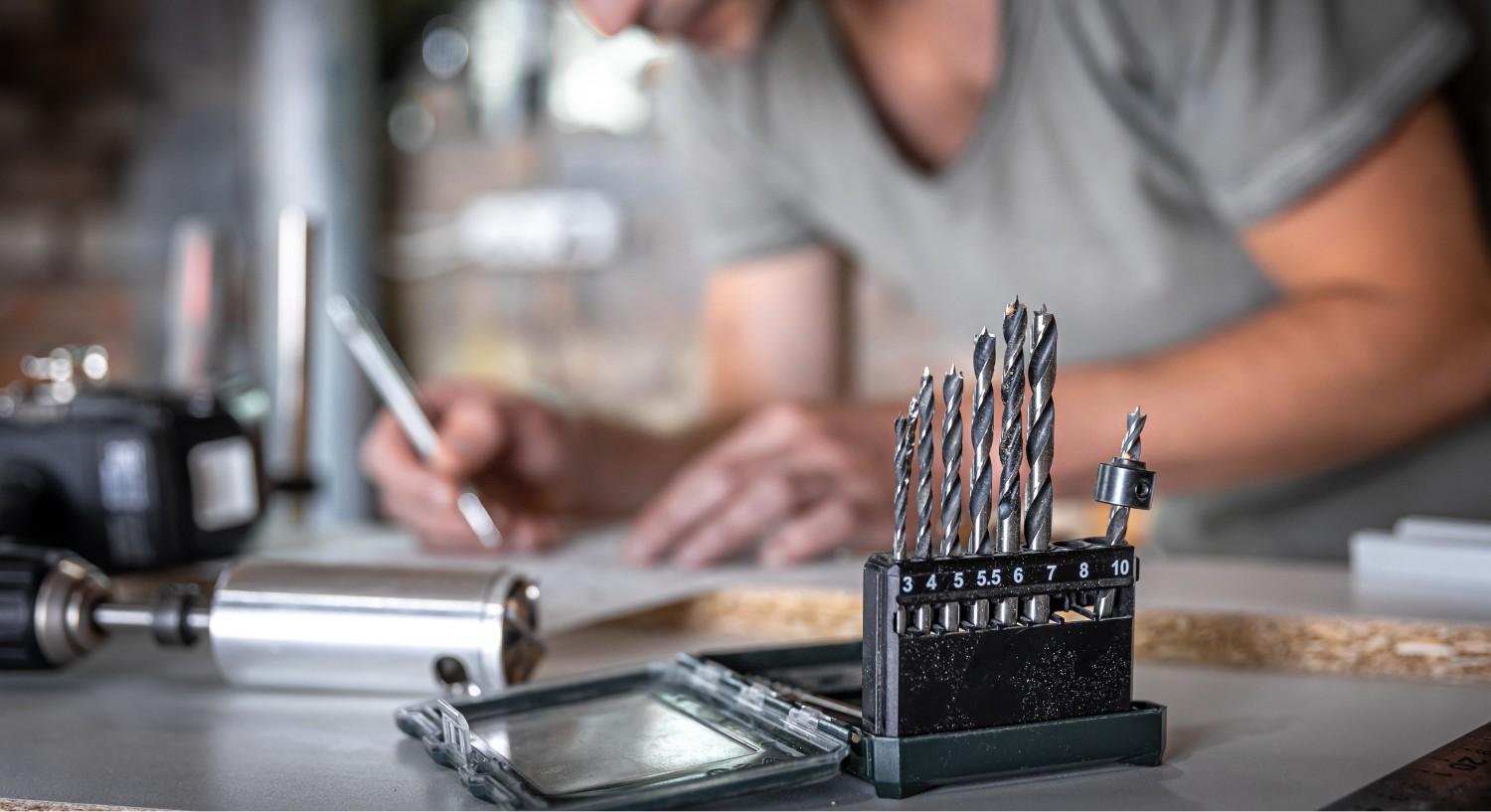
Diamond core drills are among the most advanced cutting tools used in modern industries. These specialized tools are designed to drill precise holes in extremely hard materials such as concrete, granite, ceramics, glass, and advanced composites. Because of their durability and precision, diamond core drills are widely used in construction, manufacturing, research, and industrial applications.
In this guide, we will explore everything you need to know about diamond core drill bits, including their working principle, types, benefits, applications, and how to choose the right drill for your project.
What Are Diamond Core Drills?
Diamond core drills are cylindrical drilling tools embedded with industrial diamond particles that grind through hard materials rather than cutting them like traditional drill bits. These drills remove a cylindrical core of material, allowing clean and precise hole creation with minimal vibration or damage to the surrounding surface.
Unlike standard twist drills, diamond core drill bits use diamond abrasives within a bonding matrix, which perform the actual cutting action during drilling. This design ensures better surface finish, improved precision, and longer tool life in demanding applications.
Diamond core drills are available in various diameters, bond types, grit sizes, and wall thicknesses to suit different materials and drilling requirements.
How Diamond Core Drill Bits Work
The working mechanism of diamond core drills is different from conventional drill bits.
Instead of cutting with sharp edges, diamond core drills grind the material using exposed diamond crystals embedded in a metal or plated bond. As the drilling process continues, new diamond particles are exposed, maintaining consistent cutting performance.
The hollow design of the drill removes only the outer ring of material while leaving a core inside the drill tube. This approach reduces resistance, heat generation, and vibration during drilling.
Key components of diamond core drill bits include:
- Diamond Abrasive Layer – Contains synthetic or natural diamonds that perform the cutting action.
- Bond Matrix – Holds the diamond particles and gradually wears to expose fresh diamonds.
- Steel Drill Tube – Provides structural support and allows the removal of the core.
- Mounting System – Connects the drill bit to the drilling machine.
This engineered structure ensures efficient drilling and longer tool life.
Types of Diamond Core Drill Bits
Diamond core drills come in different configurations depending on the application and material being drilled.
1. Sintered (Metal Bond) Diamond Core Drills
These tools contain multiple layers of diamonds embedded in a metal matrix such as cobalt, nickel, bronze, or copper. They are extremely durable and suitable for heavy-duty industrial drilling applications.
2. Nickel Bond (Electroplated) Diamond Drills
These drills feature a single layer of diamonds electroplated onto the surface. They provide faster cutting but generally have shorter lifespans than sintered tools.
3. Polycrystalline Diamond (PCD) Drills
PCD drills are used for processing materials like aluminum alloys, graphite, plastics, and reinforced composites where high wear resistance is required.
4. Chemical Vapor Deposition (CVD) Diamond Drills
These tools are ideal for softer but abrasive materials such as carbon fiber, reinforced polymers, and ceramics.
Key Features of High-Quality Diamond Core Drills
High-performance diamond core drills are designed to deliver optimal drilling efficiency, long tool life, and consistent results. Important features include:
- Wide range of diameters from micro sizes to large industrial diameters
- Various diamond grit sizes and concentrations
- Multiple bond hardness levels for different materials
- Customizable wall thickness and drilling depth
- Compatibility with different mounting systems and machines
These characteristics allow manufacturers to tailor diamond drill bits for specific drilling applications.
Advantages of Using Diamond Core Drills
Diamond core drills provide several advantages compared to conventional drill bits.
1. Superior Cutting Performance
Diamond is the hardest known material, making it extremely effective for drilling hard surfaces like stone, concrete, and ceramics.
2. High Precision
These tools produce smooth, clean holes with minimal chipping or cracking, which is essential in precision engineering applications.
3. Longer Tool Life
The diamond abrasive layer wears slowly and continuously exposes new cutting surfaces, extending the lifespan of the tool.
4. Reduced Vibration
Diamond drilling produces less vibration compared to hammer drilling, protecting fragile materials and improving hole quality.
5. Ability to Drill Hard Materials
Diamond core drills are ideal for materials such as:
- Reinforced concrete
- Granite and marble
- Glass and quartz
- Ceramic tiles and porcelain
- Composite materials
- Semiconductor substrates
These materials are often too hard or brittle for conventional drill bits.
Common Applications of Diamond Core Drilling
Diamond core drills are used across multiple industries due to their precision and durability.
Construction Industry
Used to drill holes in concrete walls, floors, and foundations for plumbing, electrical conduits, HVAC systems, and structural installations.
Stone Fabrication
Stone fabricators use diamond core drill bits to drill holes in granite, marble, and quartz countertops.
Electronics and Semiconductor Industry
Diamond drills are used for precision drilling of ceramics, wafers, and advanced materials used in electronics manufacturing.
Glass and Optics
Manufacturers use diamond core drills to produce precise holes in optical glass and scientific instruments.
Research and Development
Many laboratories use diamond drilling tools for material testing and prototype manufacturing.
How to Choose the Right Diamond Core Drill
Selecting the correct diamond core drill is essential for achieving optimal drilling performance.
Consider the Material
Different materials require different bond hardness levels and diamond grit sizes.
Choose the Correct Diameter
Select the drill diameter based on the required hole size.
Select the Proper Bond Type
Bond types such as metal bond, plated bond, or PCD must match the material being drilled.
Determine Drilling Depth
Choose a drill with sufficient depth capacity for your application.
Cooling Method
Many diamond drills require water or coolant to reduce heat and extend tool life.
Tips for Using Diamond Core Drill Bits
To maximize performance and tool life, follow these best practices:
- Use proper coolant or water supply to reduce heat and friction.
- Avoid applying excessive pressure during drilling.
- Use the recommended RPM for the drill size and material.
- Ensure proper alignment to prevent uneven wear.
- Clean debris or slurry during drilling.
Correct operation significantly improves drilling efficiency and extends tool lifespan.
Frequently Asked Questions
1. What are diamond core drills used for?
Diamond core drills are used to drill precise holes in hard materials such as concrete, stone, glass, ceramics, and composites.
2. Why are diamond drill bits better than regular drill bits?
Diamond drill bits use industrial diamond particles that grind through materials, allowing them to drill harder surfaces with higher precision and longer tool life.
3. Can diamond core drills cut reinforced concrete?
Yes. Diamond core drills are commonly used to drill through reinforced concrete, making them ideal for construction and infrastructure projects.
4. Do diamond core drill bits require water?
Many diamond drills use water or coolant to reduce heat, remove debris, and extend tool life.
5. What materials can diamond core drills drill through?
They can drill through materials such as granite, marble, glass, ceramic, concrete, quartz, composites, and semiconductor materials.
6. How long do diamond core drill bits last?
Tool life depends on the material, drilling conditions, and bond type, but diamond drills generally last significantly longer than conventional drill bits.
7. What industries use diamond core drilling tools?
Industries include construction, manufacturing, electronics, optics, stone fabrication, and research laboratories.
Conclusion
Diamond core drills are essential tools for precision drilling in hard and abrasive materials. Their unique design, embedded diamond abrasives, and advanced bonding technologies allow them to deliver unmatched performance, durability, and accuracy.
Whether used in construction, manufacturing, or high-tech industries, diamond core drill bits provide efficient and reliable drilling solutions for even the most challenging materials. By selecting the right drill type and using proper drilling techniques, professionals can significantly improve productivity and achieve superior results.