
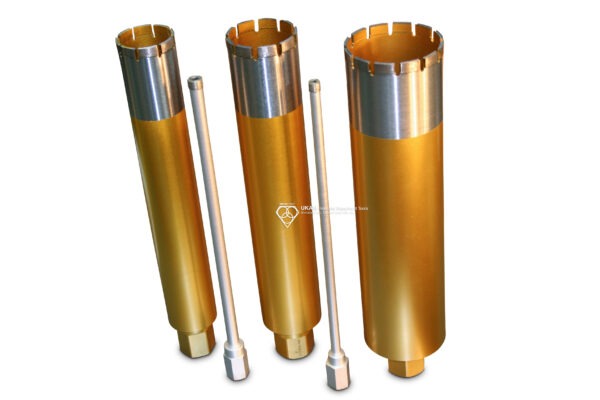
When it comes to drilling through the toughest materials with precision and efficiency, nothing compares to the cutting power of diamond core drills. These specialized tools have revolutionized industries from construction to advanced ceramics, offering unmatched performance where traditional drilling methods fall short.
Understanding Diamond Core Drilling Technology
Diamond core drilling represents a breakthrough in material removal technology. Unlike conventional drill bits that rely on softer metals, these tools harness the exceptional hardness of diamond crystals—nature's hardest material—to cut through substances that would quickly destroy standard equipment.The basic principle is elegant yet powerful. Synthetic or natural diamond particles are embedded within a metal or resin matrix at the drill's cutting edge.
As the tool rotates against the workpiece, these diamonds grind away material at a microscopic level, creating clean, precise holes with minimal force and heat generation.Professional machinists and engineers appreciate this technology because it maintains consistent performance across diverse applications. Whether you're working with reinforced concrete, technical ceramics, or composite materials, diamond drilling delivers results that other methods simply cannot match.
Types of Diamond Core Drill Bits
The variety of diamond drilling tools available today reflects decades of innovation and specialization. Understanding which type suits your specific needs can dramatically improve both efficiency and outcomes.
Sintered Metal Bond Drills
These workhorses of the industry feature multiple layers of diamonds permanently bonded within a metal matrix through high-temperature sintering. The result is exceptional durability and the ability to drill deep holes in hard, abrasive materials. Manufacturers like UKAM Industrial Superhard Tools have perfected formulations that balance cutting speed with tool life, making sintered drills ideal for production environments.
Electroplated (Nickel Bond) Drills
When faster material removal is the priority, electroplated diamond drills excel. A single layer of diamonds held by a tough nickel alloy creates an aggressive cutting action with minimal heat buildup. This makes them particularly effective on softer, more ductile materials where sintered drills might load up or glaze over.
Brazed Bond Diamond Drills
For applications demanding rapid stock removal in tough composites, brazed bond technology offers a compelling solution. The diamonds are metallurgically bonded to the tool body, creating an incredibly strong attachment that withstands the stresses of drilling fiberglass, carbon fiber, and similar materials.
Critical Applications Across Industries
The versatility of diamond core drilling has made it indispensable across numerous sectors, each with distinct requirements and challenges.
Construction and Concrete Work
Professional contractors rely on diamond core bits to create openings for plumbing, electrical conduits, and HVAC installations. The ability to drill clean holes through reinforced concrete, masonry, and stone—without creating extensive cracks or damage—saves time and reduces costly repairs. Water-cooled diamond drills can penetrate thick walls efficiently while controlling dust, a crucial advantage in occupied buildings.
Advanced Manufacturing
In precision manufacturing environments, diamond drilling enables operations previously thought impossible. Ceramics manufacturers use specialized hollow core drills to create accurate holes in technical ceramics used in electronics and aerospace applications. The minimal chipping and tight tolerances achievable with properly selected diamond tooling eliminate secondary finishing operations.
Research and Materials Science
Laboratories require tools that preserve the true microstructure of samples during preparation. Diamond drills designed for research applications minimize heat-affected zones and deformation, ensuring that analysis results accurately reflect the material's actual properties rather than artifacts introduced by sample preparation.
Selecting the Right Diamond Drill for Your Application
Choosing appropriate drilling tools involves understanding several interconnected factors. Material hardness, desired hole quality, production volume, and budget considerations all influence the optimal specification.The diamond mesh size—which determines how fine or coarse the abrasive particles are—significantly impacts performance. Finer diamonds (higher mesh numbers) produce smoother finishes but cut more slowly, while coarser diamonds remove material quickly at the expense of surface quality.
Similarly, diamond concentration affects both cutting speed and tool longevity, with higher concentrations generally providing extended life in demanding applications.Bond hardness must be matched to material characteristics. Softer bonds wear away readily, continuously exposing fresh diamonds for efficient cutting in hard materials. Conversely, harder bonds better resist wear when drilling softer substrates, preventing premature diamond loss.Wall thickness of hollow core drills influences stability and strength. Ultra-thin wall drills minimize material waste and cutting forces but require careful handling, while heavy wall designs offer robustness for demanding production environments.
Optimizing Your Diamond Drilling Operation
Even the finest diamond tooling cannot compensate for improper operating parameters. Success depends on attention to several critical factors that work together to produce optimal results.
Speed and Feed Considerations
Rotational speed and feed rate must be carefully balanced. Excessive speed generates heat that can damage both the drill and workpiece, while insufficient speed prevents diamonds from engaging effectively. Feed pressure should be firm enough to maintain cutting action without overloading the tool or causing deflection.Most applications benefit from starting conservatively and gradually increasing parameters while monitoring performance. Listen for changes in cutting noise, watch for excessive vibration, and observe the quality of chips or dust being produced. These indicators reveal whether your process is in the optimal operating window.
Cooling and Lubrication Strategies
Proper coolant delivery distinguishes professional results from disappointing outcomes. Water-based coolants, when properly formulated, reduce friction and heat while flushing away debris that would otherwise interfere with cutting. Through-the-tool coolant delivery ensures consistent temperature control and chip evacuation, particularly in deep hole drilling applications.Some specialized applications require dry drilling, demanding tool specifications designed to manage heat without fluid assistance. Understanding these requirements before tool selection prevents costly mistakes and ensures you achieve the quality your application demands.
Equipment Setup and Alignment
Drill runout, workpiece clamping, and machine rigidity profoundly affect results. Even small misalignments can cause premature tool wear, poor hole quality, or even drill breakage. Investing time in proper setup—using precision toolholders, securing workpieces firmly, and verifying alignment—pays dividends in consistent performance and extended tool life.
Troubleshooting Common Drilling Challenges
Every machinist eventually encounters problems during diamond drilling operations. Recognizing symptoms and understanding their causes accelerates solutions and minimizes wasted time and materials.Excessive chipping around hole entrances or exits typically indicates insufficient support or too-aggressive feed rates. Using backup plates and reducing feed pressure near breakthrough points usually resolves these issues. Bell-mouthed holes—where diameters vary from entrance to exit—point to drill deflection, often correctable by using guides or reducing drill overhang.
Premature tool wear might stem from incorrect bond selection, inadequate cooling, or operating parameters outside the optimal range. Conversely, glazing—where the drill stops cutting effectively despite appearing sharp—suggests the bond is too hard for the material, preventing natural diamond exposure.Material cracking, particularly in brittle substances like glass or ceramics, often results from excessive cutting forces or inadequate support. Reducing feed pressure, using sharper (finer mesh) diamonds, and ensuring proper workpiece backing helps prevent this frustrating problem.
Innovations Driving the Future
The diamond drilling industry continues advancing through both materials science and manufacturing technology improvements. Advanced bond formulations create tools with unprecedented performance envelopes, delivering longer life without sacrificing cutting efficiency.Computer-controlled manufacturing enables previously impossible precision in diamond placement and concentration uniformity.
Technologies like SMART CUT® exemplify how systematic control of every variable—from diamond size distribution to crystal orientation—produces measurably superior results in real-world applications.Hybrid bonding systems combine the best attributes of different approaches, such as the aggressive cutting of plated drills with the longevity of sintered designs. These innovations address specific application challenges that couldn't be solved by conventional tool designs.
Maximizing Return on Investment
Professional users increasingly recognize that initial tool cost represents only a fraction of total drilling expenses. The true measure of value encompasses factors like cuts per tool, consistent quality, reduced setup time, and minimized secondary operations.Premium diamond drills from established manufacturers often deliver lower cost per hole despite higher purchase prices.
Their consistent performance, extended life, and technical support reduce the hidden costs of downtime, rework, and process optimization efforts.Working with knowledgeable suppliers provides access to decades of collective experience. Companies specializing in diamond tooling can recommend specifications tailored to your exact requirements, potentially avoiding expensive trial-and-error approaches.
Environmental and Safety Considerations
Modern diamond drilling prioritizes both operator safety and environmental responsibility. Proper coolant management prevents fluid waste while maintaining the performance benefits of lubrication. Many water-based coolants are biodegradable and non-toxic, reducing environmental impact without compromising effectiveness.
Dust control remains essential, particularly when dry drilling materials that produce hazardous particles. Adequate ventilation, collection systems, and personal protective equipment protect operators while maintaining clean work environments. Fortunately, wet drilling methods naturally suppress dust, providing both better results and safer conditions.
Frequently Asked Questions
What materials can diamond core drills cut?
Diamond core drilling handles an impressive range of materials, including concrete, reinforced masonry, natural stone, technical ceramics, glass, composites, and many metals. The key is selecting appropriate diamond specifications and operating parameters for each material type.
How long do diamond drill bits last?
Lifespan varies dramatically based on application, material hardness, operating parameters, and tool quality. High-quality sintered drills in appropriate applications can produce hundreds or even thousands of holes, while specialized tools for extremely hard materials may have shorter but still economically viable service lives.
Can diamond drills be used without water?
While possible with specially designed tools, dry drilling generally produces inferior results compared to wet methods. Water cooling prevents overheating, improves cutting efficiency, extends tool life, and controls dust. Most professional applications benefit significantly from proper coolant delivery.
What's the difference between diamond core drills and solid diamond drills?
Core drills are hollow tubes that remove a cylindrical core of material, ideal for creating larger diameter holes efficiently. Solid drills, often very small diameters, grind away all material in the cutting path and are typically used for micro-drilling applications where core removal isn't practical.
How do I choose the right diamond mesh size?
Match mesh size to your priorities. Coarser diamonds (lower mesh numbers) cut faster but leave rougher surfaces. Finer diamonds (higher mesh numbers) produce superior finishes but remove material more slowly. Consider your quality requirements, production volume, and material characteristics when selecting mesh size.
Why do some diamond drills cost significantly more than others?
Price differences reflect variations in diamond quality, manufacturing precision, bond formulation expertise, and performance consistency. Premium tools use carefully selected diamonds in optimized concentrations with proprietary bond systems, delivering superior results that justify higher initial costs through extended life and better outcomes.
Conclusion
Diamond core drilling technology continues transforming how professionals approach challenging material removal tasks. From construction sites to advanced research laboratories, these remarkable tools deliver precision, efficiency, and reliability that traditional methods cannot match.
Success with diamond drilling demands understanding the interplay between tool selection, operating parameters, and application requirements. By applying the principles outlined here and working with knowledgeable suppliers, you can optimize your drilling operations for maximum productivity and quality.Whether you're exploring diamond drilling for the first time or seeking to refine existing processes, the investment in proper tooling and technique pays ongoing dividends. As materials become more advanced and tolerances tighter, diamond drilling technology will remain essential for those demanding the highest standards of precision and performance.