
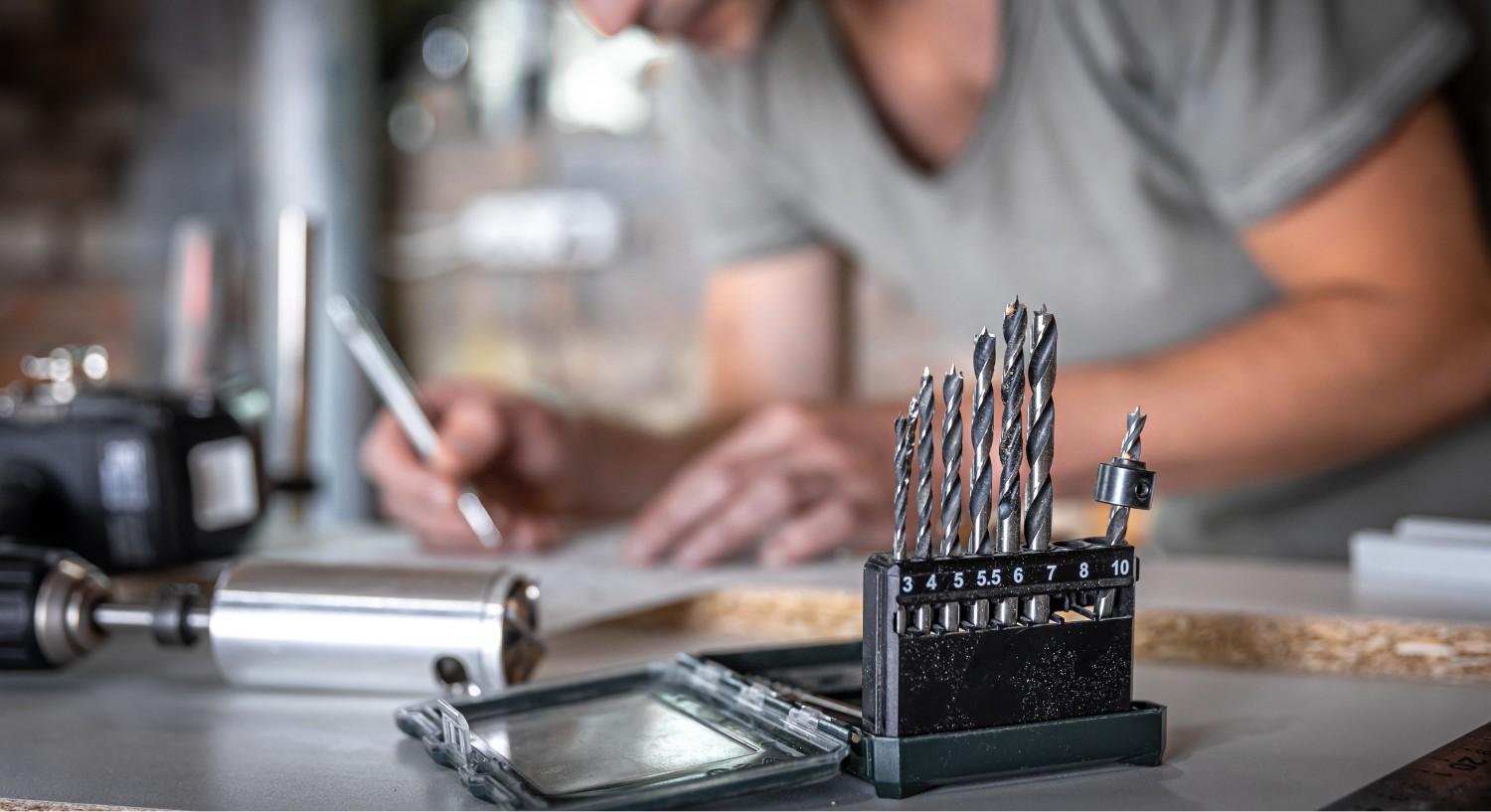
In the world of industrial drilling and precision engineering, diamond core drills stand above the rest. Whether you’re tackling concrete, stone, advanced ceramics, or semiconductor materials, understanding these powerful tools is essential for productivity and long-lasting performance.
In this comprehensive guide, we’ll explore what diamond core drills are, how they work, where to use them, their advantages, types, and how to choose the right drill for your application. We’ll also highlight the manufacturing expertise of trusted suppliers like UKAM Industrial Superhard Tools and answer common questions you might have.
What Are Diamond Core Drills?
Diamond core drills are specialized drill bits designed to create precise holes in extremely hard materials. Unlike traditional twist bits that grind away material, these drills use industrial-grade diamond grit embedded in a bond matrix to cut through firm substrates with unmatched effectiveness.
The diamond particles on the drill’s cutting edge act like thousands of microscopic grinders, slicing through difficult materials while maintaining durability and precision. This construction enables the drills to withstand intense abrasion and heat, making them indispensable in construction, manufacturing, and industrial applications.
UKAM Industrial Superhard Tools, for example, manufactures diamond core drills and bits in diameters from .001″ up to 48″, serving everything from micro-precision holes to large structural cores.
How Diamond Core Drills Work
At the heart of a diamond core drill is its bond matrix—a metal, electroplated, or sintered material that holds the diamond grains in place.
Here’s how they function:
Diamond Grit Engagement: The diamond grit on the drill face contacts the work surface and begins cutting or grinding it away.
Cutting Action: As the bit rotates, the diamonds shear off micro-particles from the material, creating a cylindrical hole.
Coolant Use: For most applications, especially hard stone or concrete, wet drilling with water or specialized coolant reduces heat and flushes debris, prolonging tool life and improving cut quality.
The balance between diamond concentration, grit size, and bond type determines drilling speed, wear resistance, and surface finish.
Benefits of Diamond Core Drills
Using diamond core drills offers several significant advantages over conventional drill bits:
1. Exceptional Cutting Power
Their diamond-impregnated cutting surface delivers unmatched performance on hard, abrasive materials such as granite, reinforced concrete, ceramic tiles, and advanced composites.
2. High Precision and Clean Holes
Diamond core drills produce smooth, clean edges with minimal chipping or material damage—critical when drilling brittle surfaces like porcelain or optics substrates.
3. Longer Service Life
Despite higher upfront costs, their extended durability makes diamond core drills more cost-effective over time, especially for repeated or industrial drilling tasks.
4. Reduced Dust and Debris
Compared to traditional drilling, diamond core drills generate significantly less dust and debris, making them ideal for indoor and precision environments.
5. Faster Drilling
The cutting efficiency of diamond grits keeps drill times low, accelerating project completion without compromising quality.
Types of Diamond Core Drills
Diamond core drills are available in many configurations to match different materials and applications:
By Bond Type
Sintered (Metal Bond) – Durable and ideal for heavy drilling in hard materials like concrete and stone.
Nickel Bond (Electroplated) – Offers free cutting action with minimal heat; excellent for softer materials.
Braised Bond – Works well where fast stock removal is needed, like composites or graphite.
Chemical Vapor Deposition (CVD) – Used for softer yet gummy materials where tungsten carbide wears quickly.
Polycrystalline Diamond (PCD) – Suitable for demanding precision jobs involving metals or composites.
By Application
Concrete & Construction Diamond Core Drills – For structural and large diameter holes in masonry and reinforced concrete.
Advanced Ceramic Drills – For high-precision work in alumina, silicon carbide, and other ceramics.
Semiconductor Drills – Ultra-fine options for delicate electronics and substrates.
Thin-Wall Core Drills – Designed to minimize material loss and produce clean cores.
Choosing the Right Diamond Core Drills
Selecting the optimal drill depends on several factors:
Material Hardness
Harder materials like granite or porcelain demand sintered diamond core drills with high diamond concentration, while softer stone can use electroplated types.
Hole Diameter & Depth
Larger and deeper holes may need wet drilling rigs and more robust cores, whereas small holes can be made with handheld drills.
Coolant Compatibility
Use wet drilling wherever possible. Water or coolant reduces heat, helps remove slurry, and extends drill life.
Mounting Types
Ensure your drill matches your equipment’s mount—threaded, straight shank, or specialty adapters are often required.
Diamond Core Drills in Action: Real-World Uses
Construction & Infrastructure
Drilling holes for plumbing, electrical conduit, and HVAC installations through concrete walls and slabs.
Stone Fabrication & Masonry
Creating precise openings in granite, marble, quartz, and flagstone for countertops and architectural features.
Electronics & Semiconductors
Fine hole drilling in delicate substrates used in high-tech industries.
Advanced Ceramics & Composites
Precision cores in hard ceramics, composites, and engineered materials.
These applications highlight why professionals from contractors to precision engineers rely on diamond core drills for their toughest drilling challenges.
How to Use Diamond Core Drills Safely
For best results and safety, follow these practices:
Use the correct RPM and controlled pressure—don’t force the drill.
Employ a steady water feed for cooling unless the bit is rated for dry use.
Start with a guide plate or pilot hole to avoid wandering.
Monitor bit temperature—overheating can damage diamonds and bond integrity.
Frequently Asked Questions
Q1: What exactly are diamond core drills used for?
A: They’re used to create precise holes in hard and abrasive materials like concrete, stone, ceramics, glass, and engineered composites where normal drill bits would fail.
Q2: Can I use diamond core drills for DIY projects?
A: Yes, if the job involves hard materials or you require clean, precise holes—especially for larger holes or reinforced concrete. For occasional use, renting is often more economical.
Q3: Are diamond core drills better than carbide bits?
A: For hard materials like granite, porcelain, or reinforced concrete, diamond core drills maintain precision and durability far better than carbide alternatives.
Q4: Do diamond core drills need water?
A: Most do. Wet drilling improves cooling, reduces heat, and flushes debris, extending tool life significantly. However, some specialty bits may be designed for dry use.
Q5: How long do diamond core drills last?
A: Lifespan varies by material, drill type, and usage techniques but, when used properly, they far outlast standard drill bits due to their superior abrasion resistance.
Conclusion
Diamond core drills have revolutionized precision drilling across industries—from construction and stone fabrication to advanced manufacturing and electronics. Their cutting power, durability, precision, and ability to handle the toughest materials make them indispensable tools for professionals and serious DIYers alike.
By understanding how they work, choosing the right type for your application, and using them with proper technique, you’ll unlock maximum performance and cost efficiency from your drilling operations.